Table Of Content
- Who Says You Cannot Get Portrait Style Mehendi In Arabic Mehendi Style?
- Mehndi Design That Defines Your Culture
- Brutalist Interior Design: History, Key Features and Cues
- An Inspirational Guide to Arabic Design, Creativity and Culture
- “Design For and From Communities”—Bahia Shehab on A History of Arab Graphic Design
- Mehndi Design with Glitter
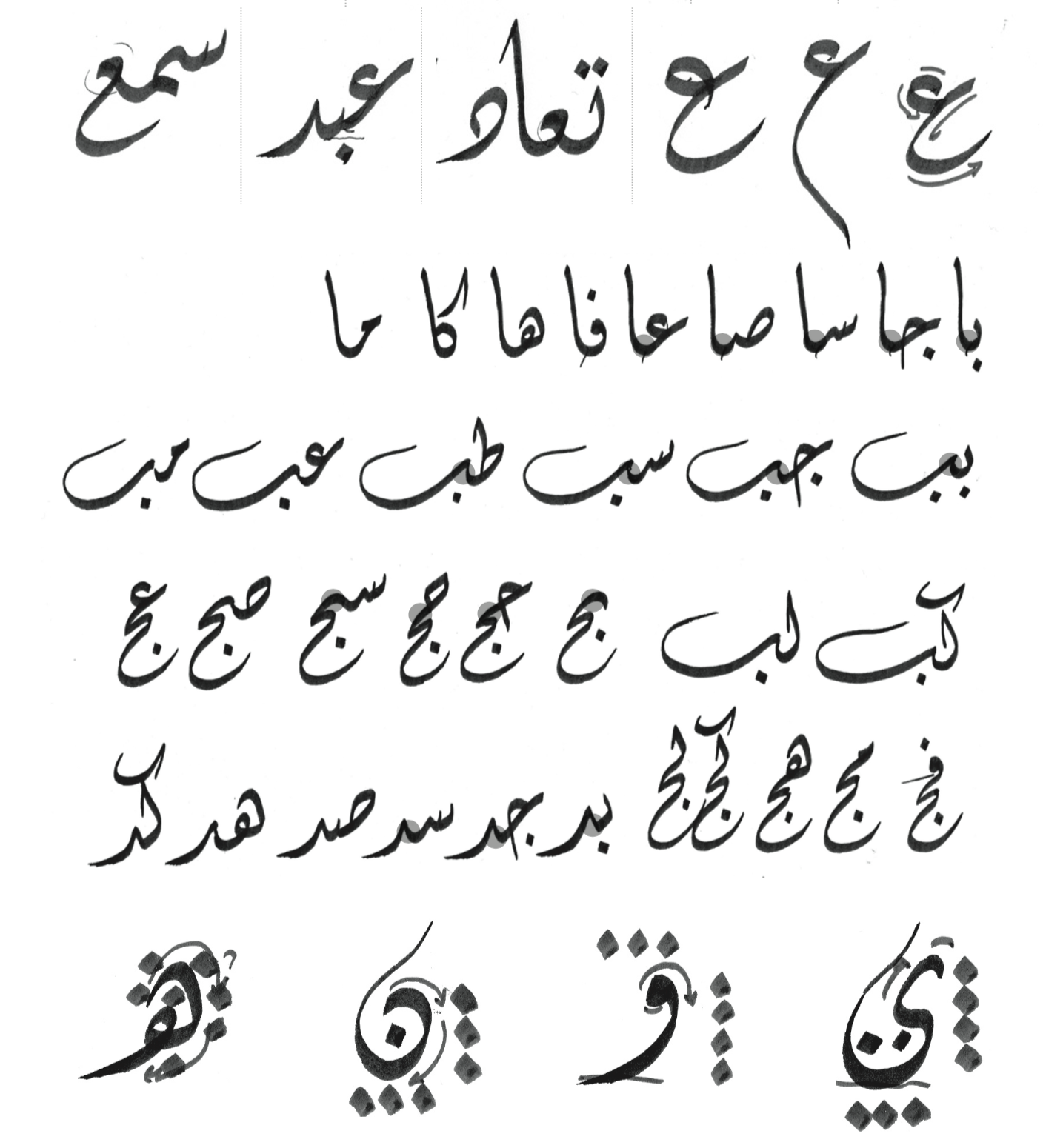
Arabic calligraphy is an art form that dates back centuries and adds a sense of elegance and sophistication to any space. Incorporate beautiful calligraphy on the walls as artwork or on textiles like a rug. Consider having a custom calligraphy piece created as a focal point in the space. You can also incorporate calligraphy into everyday objects like ceramics or vases for a subtle touch. Bahia Shehab and Haytham Nawar’s A History of Arab Graphic Design, not only dispels many ill-held assumptions of art and graphic design in the Middle East but it also shows a in dept history of design in the region. Out of all the coming-of-age mehendi designs, personalised mehndi is trending a lot these days!
Who Says You Cannot Get Portrait Style Mehendi In Arabic Mehendi Style?
Arts AlUla announces winners of Design Award in Paris - Arab News
Arts AlUla announces winners of Design Award in Paris.
Posted: Thu, 07 Sep 2023 13:34:45 GMT [source]
There is a tutorial for those who are just starting out with the art of Arabic calligraphy and it is a Ruqaa line one. Although this Website may be linked to other websites, we are not, directly or indirectly, implying any approval, association, sponsorship, endorsement, or affiliation with any linked website, unless specifically stated herein. We are not responsible for examining or evaluating, and we do not warrant the offerings of, any businesses or individuals or the content of their websites. We do not assume any responsibility or liability for the actions, products, services and content of any other third parties. You should carefully review the legal statements and other conditions of use of any website which you access through a link from this Website. Your linking to any other off-site pages or other websites is at your own risk.
Mehndi Design That Defines Your Culture
Following the tradition of classical antiquity and Byzantium, the codex, or book, was adapted as the format for the Qur’an, which is made up of 114 chapters. The Umayyad dynasty was overthrown in 750, following a series of revolts, and the caliphate passed to the Abbasids, who shifted the focus of politics and culture eastward from Syria to Iraq. There, in 762, they founded Baghdad as the new capital of the Islamic state. This was also a critical period for the evolution of Islamic art, one in which a distinctive style and new techniques were introduced and disseminated throughout the empire. The house of the Prophet in Medina was the first communal gathering place for prayer, and it served as a prototype for the earliest mosques.
Brutalist Interior Design: History, Key Features and Cues
Rich silks, velvets, and brocades in warm hues such as gold, bronze, and copper are often used in upholstery, drapery, and bedding. At Glamourous, we take pride in offering top-notch Arabic Villa Design services that encapsulate the rich and captivating essence of Middle Eastern design. Our team of skilled designers is dedicated to crafting luxurious and culturally authentic interiors that reflect the opulence and heritage of Arabic design. With a deep understanding of the region’s traditions and aesthetics, we create spaces that seamlessly blend traditional elements with modern sophistication. These Arabic modern classic villa design types offer a spectrum of options for homeowners to infuse their spaces with the timeless charm of Arabic design while accommodating modern lifestyle needs and preferences. Saudi artist Noha Raheem, combines the typography of both Arabic and Japanese to create a design that combines the unique culture of two civilizations.
These fixtures are often made from metals such as brass, copper, and silver, and are intricately detailed with Arabesque patterns. Arabic interiors often feature archways and domes, which add a touch of grandeur and sophistication to the space. These architectural features are adorned with stunning stucco work, mosaics, and arabesque patterns that reveal the craftsmanship and creativity of Arabic artisans.
Industrial Interior Design: History, Key Features, and Cues
Incorporate gilded accents such as gold leaf details and regal touches into your interior design to infuse your Arabian-inspired home with a sense of luxury and grandeur. Adorn ornate mirrors, intricate furniture pieces, and decorative accessories with gold finishes to evoke the opulence of Arabian palaces and bring an air of majestic sophistication to every corner of your space. Incorporate gilded elements into architectural features like archways, moldings, and door frames to create a sense of architectural grandeur that exudes timeless elegance.
Modern Feet Henna Art
It celebrates the rich cultural heritage of the Arab world while adapting to modern lifestyles and design sensibilities. Arabic design has a rich and ancient history dating back to the Islamic Golden Age, which spanned from the 8th to the 13th century. During this period, Islamic scholars made significant advancements in various fields, including art and architecture. This era gave rise to the development of intricate geometric patterns, calligraphy, and architectural marvels like the Alhambra Palace in Spain and the Dome of the Rock in Jerusalem.
“Design For and From Communities”—Bahia Shehab on A History of Arab Graphic Design
The two language offer distinct styles and when combined creates something new. Noha wishes other Arab artists can see eye to eye and also explore the flexibility of the Arabic language. This modern design would look amazing on any occasion and needs a lot of expertise to be created. So before you scroll ahead, don’t forget to screenshot this beautiful arabic mehndi design. Who would have thought that a mehndi pattern with just one design would look so enticing? Lighting plays a crucial role in Arabian interior design, with soft ambient lighting and ornate fixtures such as lanterns or pendant lights used to create a warm and inviting atmosphere that highlights the beauty of intricate patterns and textures.
What's different about Arabic web design? - Creative Bloq
What's different about Arabic web design?.
Posted: Fri, 09 Apr 2021 07:00:00 GMT [source]
Arabic interior design, often synonymous with opulence and intricate detailing, is a style deeply rooted in the rich cultural and historical traditions of the Arab world. It reflects the heritage of Arab architecture, art, and craftsmanship, characterized by intricate patterns, vibrant colors, and a strong connection to Islamic culture. This design aesthetic celebrates the beauty of Islamic art, combining elements such as geometric patterns, Arabic calligraphy, and a warm, earthy color palette. Arabic interior design creates spaces that exude a sense of luxury, comfort, and cultural pride. Infuse your home with the exotic charm of Morocco by adorning your walls and floors with Moroccan-inspired tiling, characterized by mesmerizing geometric patterns and earthy tones.

The complexity and variety of patterns used evolved from simple stars and lozenges in the ninth century, through a variety of 6- to 13-point patterns by the 13th century, and finally to include also 14- and 16-point stars in the sixteenth century. Mehendi has always been a very essential part of the journey to being a bride. While some love to adorn their hands with elbow-length mehendi, more and more brides are opting out of the 6-hour-long mehendi designs.
In Medina, Muhammad continued to gather support, and within a few years Mecca, too, had submitted to Islam. Upon his return to Mecca, one of the Prophet’s first acts was to cleanse the Kacba of its idols and to rededicate the shrine to Allah. Muhammad (c. 570–632) was born in Mecca, in western Arabia, where he first began to receive the divine revelation and to preach a message of one god around the year 610. Islam arose in the early seventh century under the leadership of the prophet Muhammad. (In Arabic the word Islam means "submission" [to God].) It is the youngest of the world’s three great monotheistic religions and follows in the prophetic tradition of Judaism and Christianity. In fact, Muhammad is considered by Muslims to be the last in the line of Old and New Testament prophets.
Its roots can be traced back to the 7th century, when Islam was born and the first mosques were built, incorporating intricate calligraphy, arabesque motifs, and colourful tiles. Over time, Arabic interior design evolved and diversified, influenced by various cultures and traditions, from Persia and India to Morocco and Spain. The highlight of this design is the elaborate motifs that accentuate the hand. For the modern bride, this minimalistic arabian mehndi design which is intricate and beautiful is surely a go-to one. We fuse traditional Arabic calligraphy with modern design principles to create logos that are not just visually stunning, but also deeply rooted in meaning.




No comments:
Post a Comment